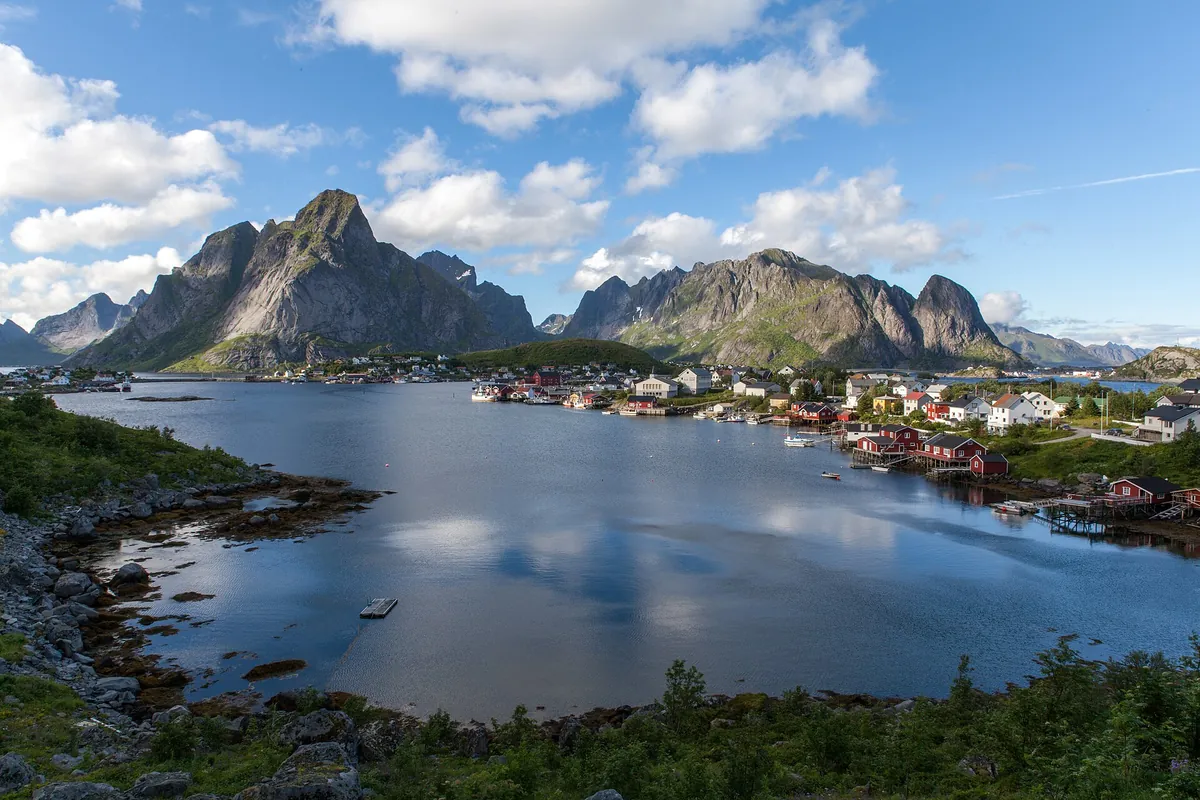
Reine, Lofoten Islands
Norway
North of the Arctic Circle, red fishermen's cabins stand on stilts beneath peaks that rise straight out of the fjord. In midsummer the sun never sets here; in winter the same sky belongs to the northern lights.

A world landscape journal
Six landscapes, one from each inhabited continent: the canyons, coasts, dunes and peaks that make the long way round worth taking.
Grand Canyon, Arizona, USA
The Colorado River spent millions of years cutting this: 446 km long, up to 29 km wide and more than 1.8 km deep.
Visitor information National Park Service (opens in a new tab)
The collection
From an Arctic fishing village to one of the oldest deserts on Earth, each stop is a reminder of how much variety a single planet can hold.
Norway
North of the Arctic Circle, red fishermen's cabins stand on stilts beneath peaks that rise straight out of the fjord. In midsummer the sun never sets here; in winter the same sky belongs to the northern lights.
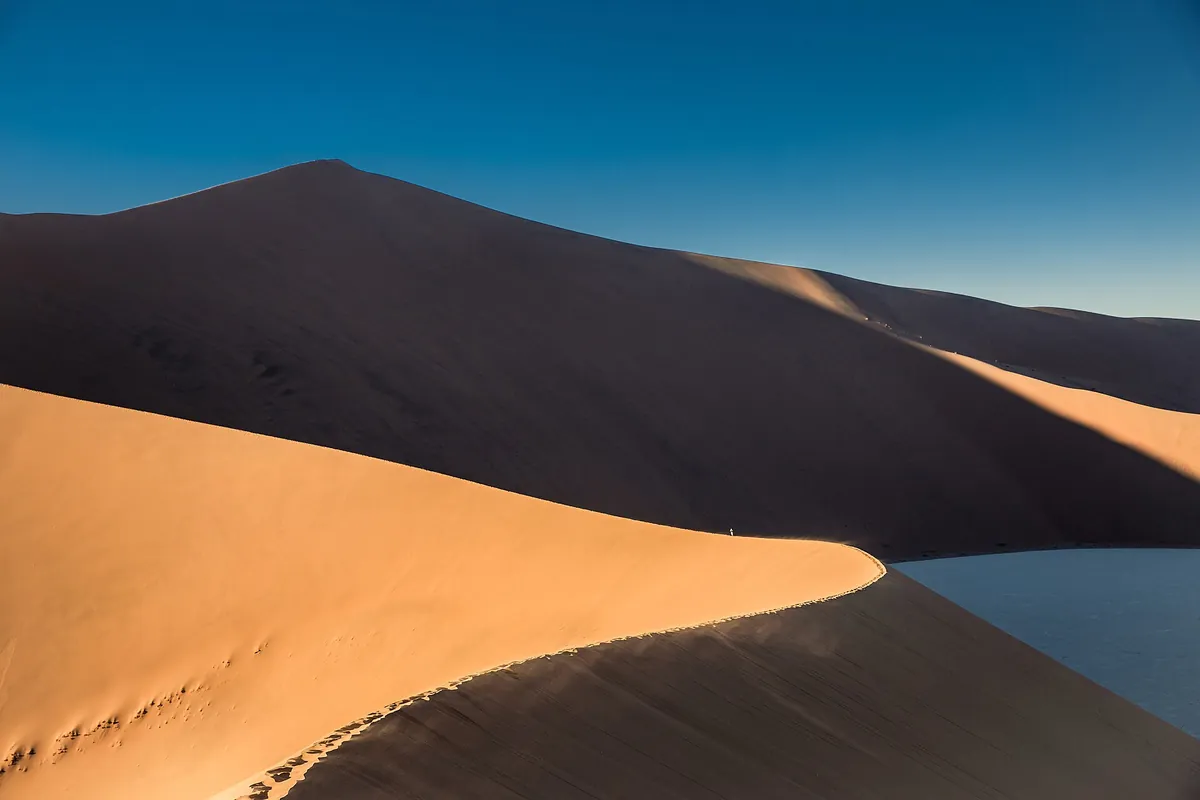
Namibia
The dunes here are among the tallest on Earth, some climbing more than 300 metres. Iron oxide stains the sand a deep apricot red, and at sunrise every ridge splits cleanly into one bright face and one in shadow.
World Heritage listing UNESCO — Namib Sand Sea (opens in a new tab)
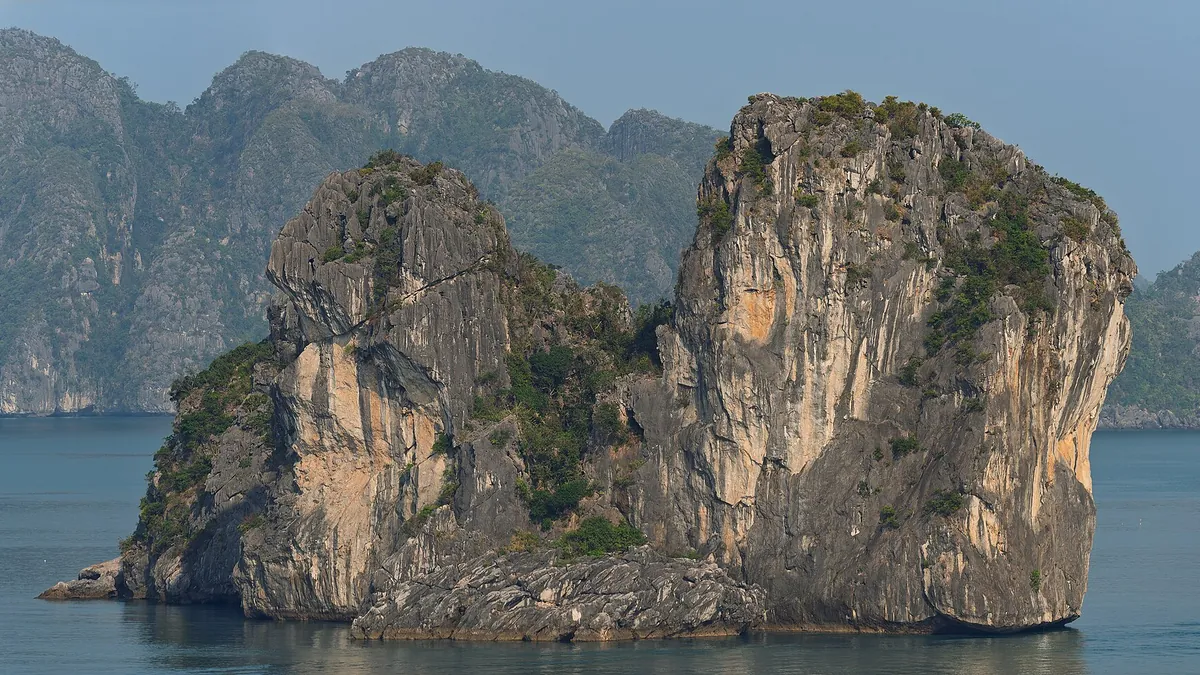
Vietnam
Some 1,600 limestone islands and islets rise out of the Gulf of Tonkin, most of them uninhabited and topped with jungle. The name means “descending dragon”, and the bay has been a UNESCO World Heritage Site since 1994.
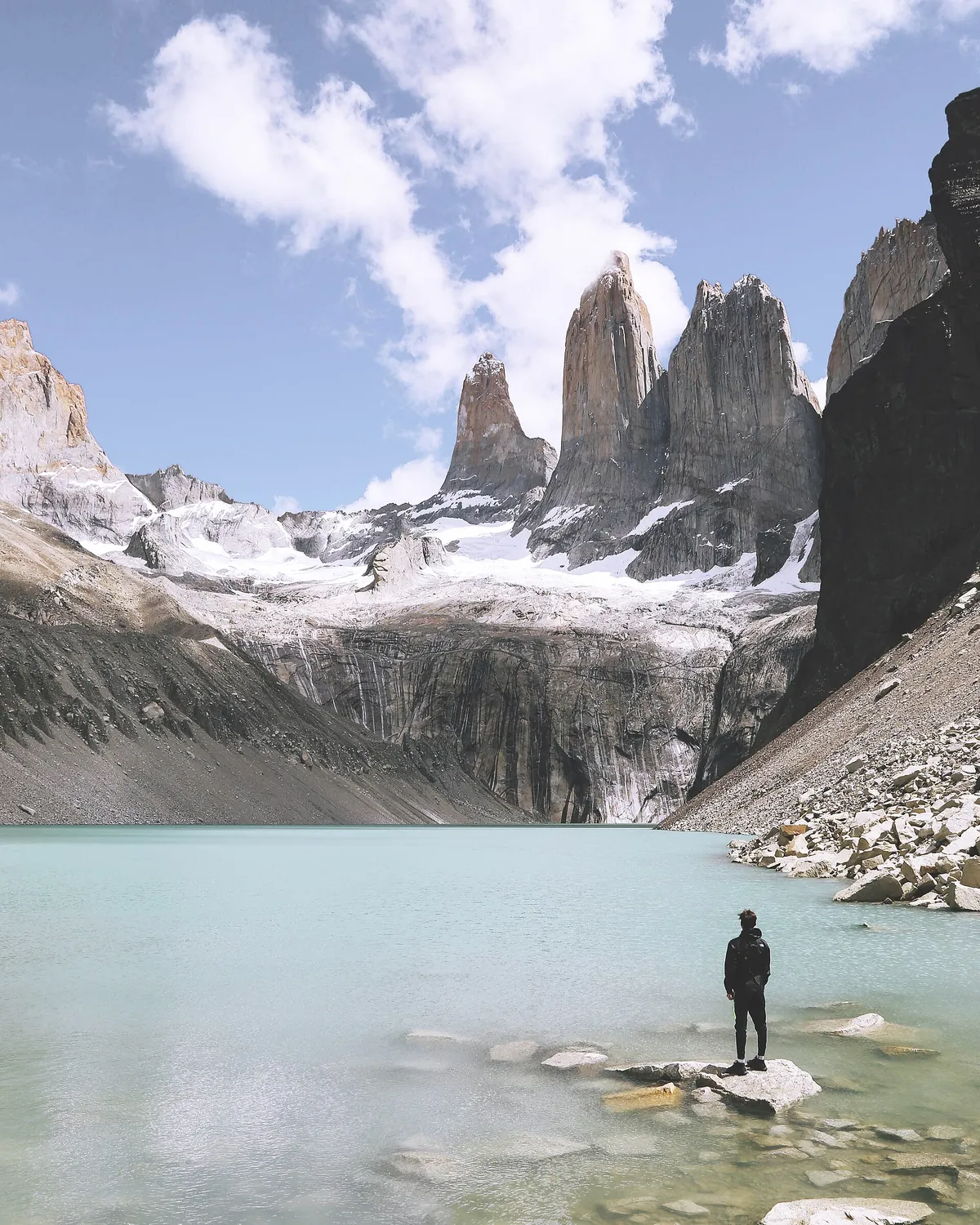
Chilean Patagonia
Three granite towers stand over a milky green glacial lake at the end of a long uphill trail. Patagonian weather changes by the hour, so hikers often set out before dawn to catch the rock turning red at first light.
Visitor information CONAF, Chile (in Spanish) (opens in a new tab)

South Island, New Zealand
On a still morning this small lake near Fox Glacier mirrors New Zealand's two highest peaks, Aoraki / Mount Cook and Mount Tasman. Its water is stained dark by tannins washed out of the surrounding rainforest, which is exactly what makes the reflection so sharp.
Track information NZ Dept. of Conservation (opens in a new tab)
None of these places asks for much, only time. Arrive early, stay late, and let the light do the rest.